- احتمالا اتریوم به زودی به این سطح کلیدی کاهش می یابد
- Defiance Quantum ETF (QTUM)
- Global Times: ایجاد جامعه ای با آینده مشترک برای راه بشر به صلح ، توسعه و سعادت
- متنوع سازی نمونه کارها: چیست و چرا مهم است؟
- کد خطا 12: معامله نامعتبر
- استراتژی های ساده
- هزینه متوسط هزینه سرمایه (WACC)
- قیمت سهم هند Vix
- 2023-2030 اندازه بازار تیغه برش عمیق با تولیدات و فرصت های آینده
- آموزش به عنوان معامله گر

آخرین مطالب
امکانات وب


آمینا 13 ساله است و در یک جامعه روستایی در نپال با مادر و خواهر و برادر خود زندگی می کند. او در مدرسه نیست زیرا برنامه درسی فقط به درجه پنج آموزش داده می شود."من فقط باید در کلاس پنج تحصیل کنم زیرا این حداکثر است. ای کاش می توانستم به تحصیل ادامه دهم. این بسیار کسل کننده است زیرا تمام کاری که من انجام می دهم این است که در خانه بمانم و به انجام کارهای خانگی کمک کنم. "برای اینکه آمینا به تحصیل ادامه دهد ، اعضای کمیته مدرسه محلی باید تصمیم بگیرند که بیشتر سرمایه گذاری کنند ، اما همانطور که آمینا می گوید ، "آنها همیشه می گویند که پول کافی وجود ندارد." این استدلالی است که ما بارها و بارها می شنویم - نه تنها از محلیتصمیم گیرندگان ، اما همچنین توسط دولت های شهرداری و ملی ، در کشورهای ثروتمند و فقیر به طور یکسان. چگونه سیاستمداران تصمیم می گیرند از منابع موجود استفاده کنند ، اولویت های سیاسی خود را نشان می دهد. دولت ها در سراسر جهان موافقت کرده اند و تعهد خود را به آموزش کودکان و برابری جنسیتی تأیید کرده اند. کمبود سرمایه گذاری در خدمات با کیفیت برای کودکان یکی از موانع اصلی است که از رسیدن میلیون ها کودک به پتانسیل کامل خود جلوگیری می کند. این امر به ویژه در مورد حاشیه ترین گروه های کودکان ، که از دسترسی به آموزش ، بهداشت و خدمات محافظت می کنند ، صادق است زیرا فقط به این دلیل است. آنها چه کسانی هستند یا از کجا هستند. On this Universal Children’s Day, we are calling on govements everywhere to put their money where their mouth is. They need to make real the promise they have made to children in the UN Convention on the Rights of the Child and the new Sustainable Development Goals. Without investing more in children, it will be impossible to reach these goals. Investing in children means we are investing in our future. The world of tomorrow simply cannot prosper if children of today are not healthy, educated and protected. Globally, 121 million children are out of school. And more than half of the children out of school are girls. Girls face barriers to education on all fronts from their schools, homes and communities that include inadequate sanitation facilities, families prioritizing boys’ education over girls, and unsafe schools where they often face sexual violence or harassment. One of the best ways to ensure equitable progress for girls is by investing in their education. When a girl goes to school, she boosts the educational prospects of her future children and delays the age at which she gets married, reducing health risks to herself and her babies during childbirth and beyond. Children bo to a mother who can read are 50 percent more likely to survive past age five. By investing in the world’s excluded children, we can change the trajectory and create a better future for girls like Amina.
  Investing in children can also makes sense economically. Data shows that every additional year of schooling for a child increases his or her future eaings by about 10 percent. There is also a strong correlation between the ability to read and write and reduced child marriage for girls. Only four percent of literate girls in sub-Saharan Africa and eight percent of literate girls in South and West Asia are married as children, compared with 20 percent of illiterate girls in sub-Saharan Africa and almost 25 percent of illiterate girls in South and West Asia. A study shows that reducing health inequality by one percent per year could increase a country’s annual rate of GDP growth by 0.15 percent. Targeting the poorest children with increased access to health services can provide a strong policy alteative for improving economic growth. To help break the vicious cycle of inequity, not only for girls but for all groups of excluded children, we need disaggregated quality data on the situation of children to inform political decisions on investments in children. Budgets must reflect our determination to fight inequity and ensure all children have a fair chance. This is why Save the Children is calling for fair financing for children. Money must be raised and spent in ways that ensure every last child has access to the quality services and social protection they need to survive, lea and be protected. Necessary domestic resources need to be mobilized through progressive taxation, and where needed, supplemented with development aid to support the efforts of the poorest countries. And, increased and improved investment in children must be accompanied by the removal of cost barriers to essential services for children. The United Nations have recently launched a set of comprehensive guidelines for govements on how to ensure more and better resource mobilization, budget allocation and spending on children and the realization of their rights. These guidelines will be invaluable for states in improving their investments in children.
  Change is possible and change is happening. At a summit in Washington, DC in October this year, nine countries pledged greater investments in children, especially during their early years, powering their economies for long-term growth. The 2016 report of the Inteational Commission on Financing Global Education Opportunity provides a unique opportunity to push political commitment to fund education for every last child and meet the Sustainable Development Goals to create a leaing generation by 2030. The Women Deliver conference in Copenhagen earlier this year gathered almost 6,000 people from 169 countries, including 2,500 organizations, 1,200 young people and representatives from private sector, UN agencies and govement representatives, to discuss how progress can be made towards the Sustainable Development Goals applying a gender lens. The conference equipped participants with knowledge and inspiration to take action in their own countries and promote investment in girls and women to power progress for all. These signs of progress are steps in the right direction, but more drastic changes will be necessary to create a world where all children lea, survive and are protected. If govements are serious about reaching the Sustainable Development Goals, investing in every last child is imperative.
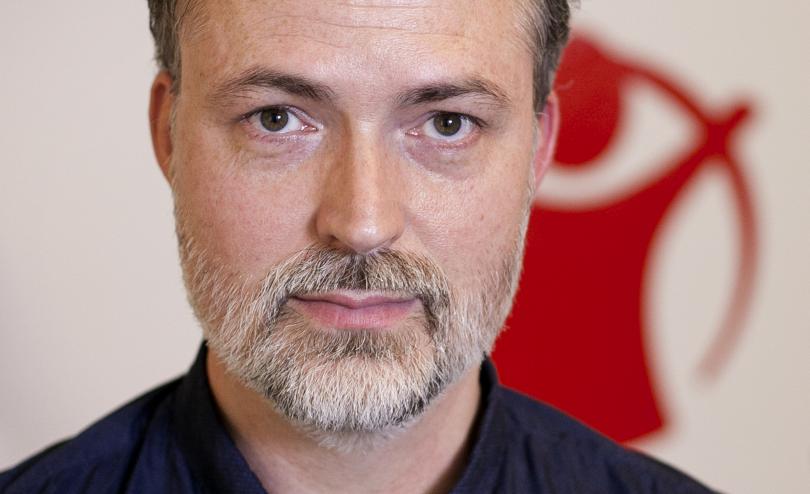
  About the Author: Jonas Keiding Lindholm has an MSc in Sociology and a BA in Communications. He is currently the Secretary-General/CEO of Save the Children Denmark. He is a visiting Scholar at Copenhagen Business School and Copenhagen University. He has formerly worked with Save the Children Inteational, UN World Food Programme, Danish Refugee Council and Copenhagen University to name a few. He has various published research reports and publications on the complexities of children and youth, marginalization and social work.
مقالات مرتبط
"انعطاف پذیری محدودیت های خود را دارد": پس از ویرانگر زمین لرزه ها ، کودکان سوری به کمک ما نیاز دارند تا زندگی خود را به عقب برگردانند
پناهگاه زیر کیسه ها و هر روز با خطر جدی روبرو می شوند - کودکان در اوکراین نیز سزاوار کودکی هستند
24 فوریه 2023
"شما فکر می کنید ، می توانستید آنجا باشید": بازگشت به خانه برای کمک به میان آوار
23 فوریه 2023
"زخم های پنهان": کودکان در معرض خطر استرس سمی در حالی که زمین لرزه های بیشتر به Türkiye و سوریه برخورد کردند
23 فوریه 2023
تأثیر پنهان جنگ در اوکراین بر سلامت روان کودکان: نامه ای از روانشناس
15 فوریه 2023
مقالات مرتبط
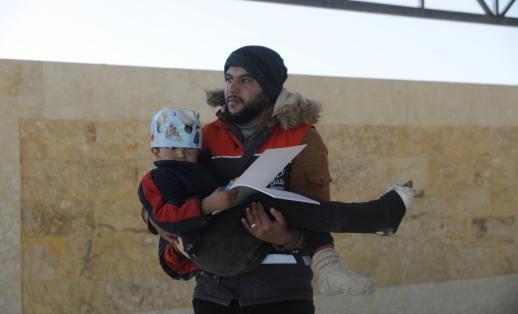
- 2 مارس 2023 - سوریه
"انعطاف پذیری محدودیت های خود را دارد": پس از ویرانگر زمین لرزه ها ، کودکان سوری به کمک ما نیاز دارند تا زندگی خود را به عقب برگردانند
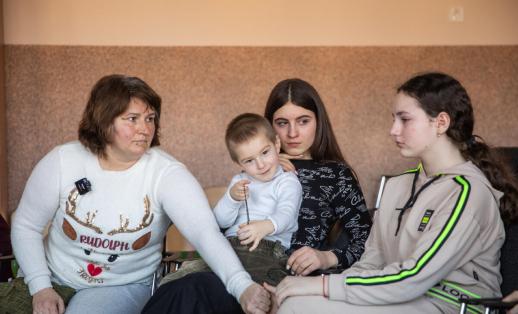
- 24 فوریه 2023 - اوکراین
پناهگاه زیر کیسه ها و هر روز با خطر جدی روبرو می شوند - کودکان در اوکراین نیز سزاوار کودکی هستند
- 23 فوریه 2023 - Türkiye

ما را در سایت تجارت با گزینههای باینری دنبال می کنید
برچسب :
نویسنده : حمیدرضا پگاه
بازدید : 28
